White Stork - Complete Information in English

White Stork Information
Basic Information about White Stork
| Size in CM | 100-125 cm |
| Size in Inch | 39-49 Inch |
| Primary color | white |
| Secondary color | black (Bird may have more colors) |
White Stork - Common Names in Different Languages
| Language | Name |
|---|---|
| bengali | ধলা মানিকজোড় |
| bhojpuri | लगलग |
| gujarati | ઊજળી, સફેદ ઢોંક |
| hindi | गैबर, उजली |
| malayalam | വെൺബകം |
| marathi | पांढरा करकोचा, श्वेतबलाक, बहादा ढोक |
| nepali | सेतो गरुड |
| tamil | செங்கால் நாரை |
Introduction to the White Stork
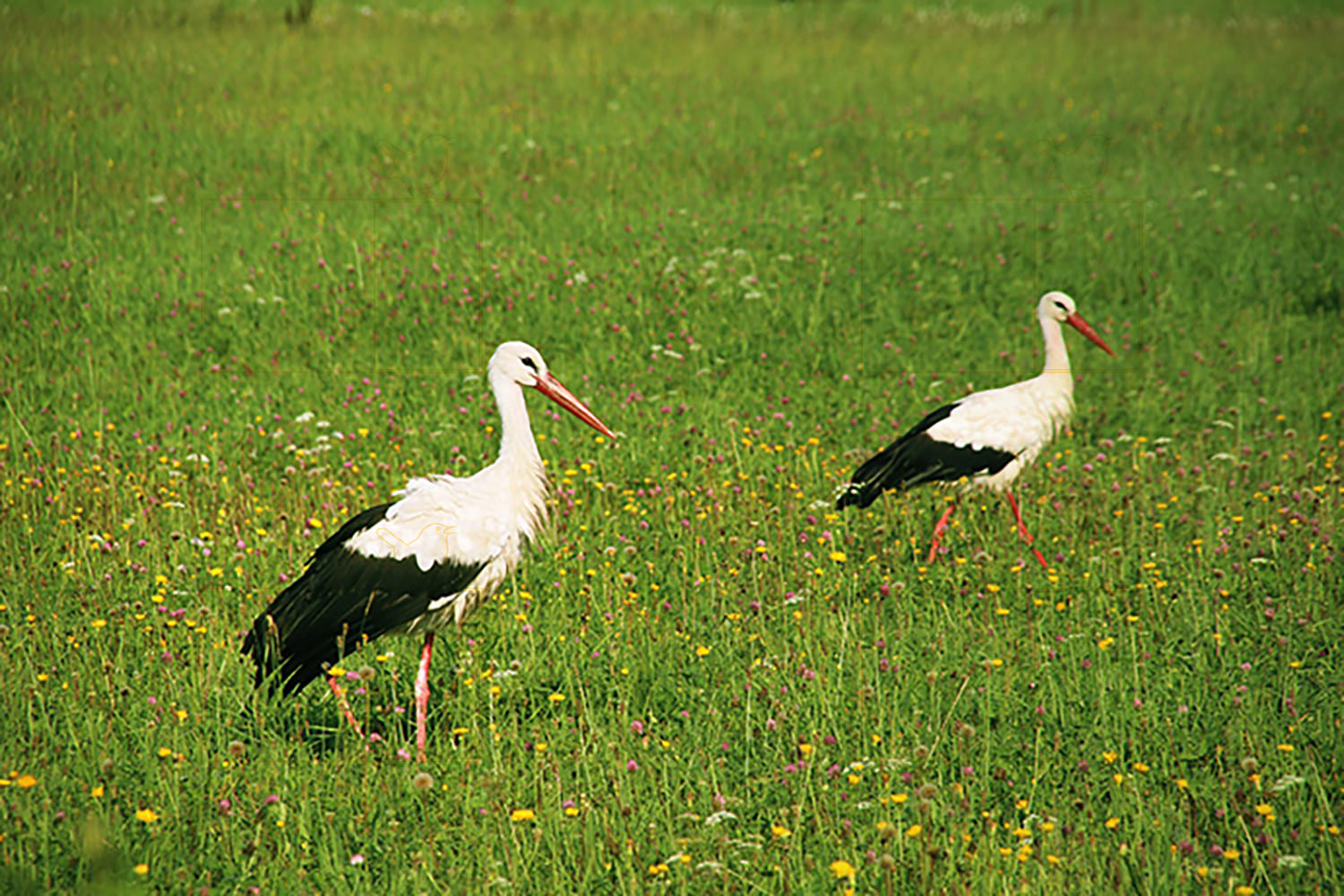
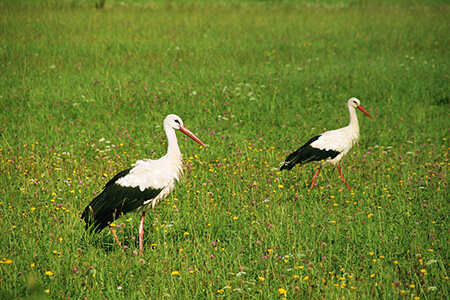
White Stork (Ciconia ciconia) is a large bird in the stork family Ciconiidae. Known for its striking black-and-white plumage and red legs, it is found across Europe, Asia, and Africa.
Physical Appearance:
- Size: 100–115 cm (39–45 in) in length; wingspan 155–215 cm (61–85 in).
- Coloration: Mainly white with black flight feathers.
- Beak: Long, pointed, and red.
- Legs: Long and red.
- Juvenile: Brown greater coverts and duller reddish-brown beak and legs.
Habitat:
- Preferred Habitat: Grasslands, damp ploughed fields, and wetlands.
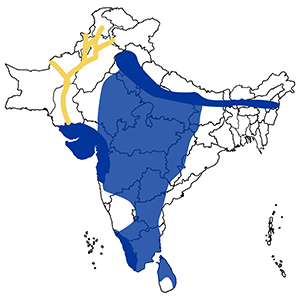
- Geographical Range: Europe, Africa, and Asia, with specific migration routes avoiding large water bodies.
Diet:
- Common Food Items: Insects, fish, amphibians, reptiles, small mammals, and birds.
- Feeding Behavior: Hunts on the ground in low vegetation or shallow waters.
Breeding and Nesting:
- Breeding Season: Annually; monogamous but does not pair for life.
- Nest: Large stick nests reused for several years.
- Eggs: Usually 4 eggs, incubated for 33–34 days.
- Pair: Both parents share incubation and feeding duties.
Behavior:
Typically shy, White Storks are often seen singly or in flocks. They stalk deliberately on the ground while searching for prey.
Conservation Status:
- Global Status: Listed as Least Concern by the IUCN.
- Threats:
- Habitat loss due to industrialization.
- Changes in farming practices.
- Conservation Efforts:
- Reintroduction programs in Europe.
- Habitat restoration projects.
White Stork: Interesting Facts:
- White Storks avoid crossing large water bodies during migration.
- They are central to many cultural legends, such as bringing babies.
- Nests host diverse parasites, including mites.
Tips for Birdwatchers:
Look for White Storks in open fields and wetlands during migration. Observe their characteristic soaring flight and large stick nests on tall structures.
Conclusion:
The White Stork is a fascinating bird, both in appearance and behavior. Conservation efforts have helped this species thrive in many parts of the world, making it a remarkable example of coexistence with humans.
Distribution Map
Frequently Asked Questions (FAQs) About White Stork
white stork name in bengali?
The Bengali name for White Stork is ধলা মানিকজোড়
white stork name in bhojpuri?
In bhojpuri, white stork is called लगलग
white stork name in gujarati?
The word for white stork in gujarati is ઊજળી, સફેદ ઢોંક
white stork name in hindi?
The hindi name for white stork is गैबर, उजली
white stork name in malayalam?
The malayalam name for white stork is വെൺബകം
white stork name in marathi?
The marathi name for white stork is पांढरा करकोचा, श्वेतबलाक, बहादा ढोक
white stork name in nepali?
The nepali name for white stork is सेतो गरुड
white stork name in tamil?
The tamil name for white stork is செங்கால் நாரை