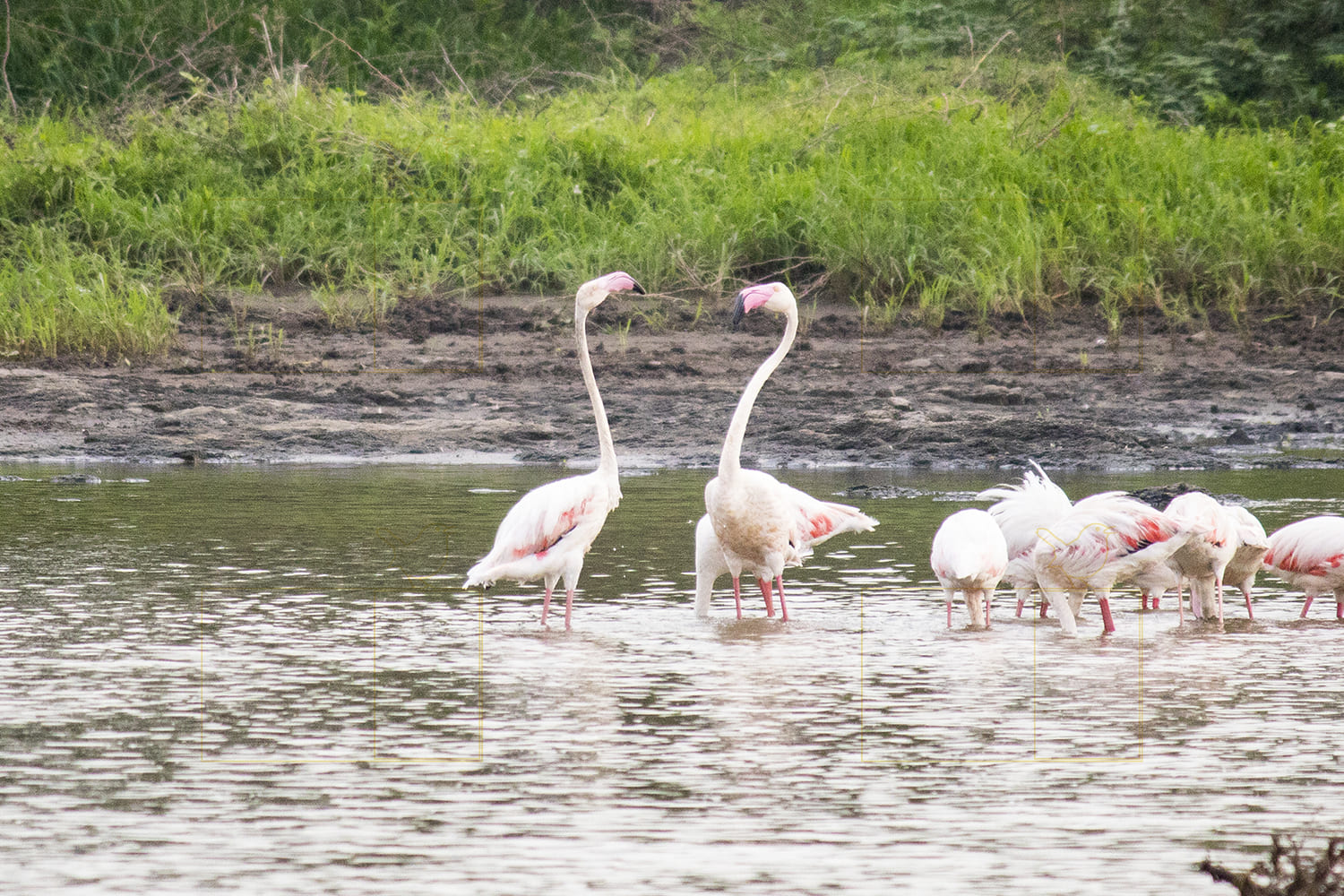
greater flamingo
Greater flamingos are likely to be the only tall, pink bird in any given locale. They also have long, lean, curved necks and black-tipped bills with a
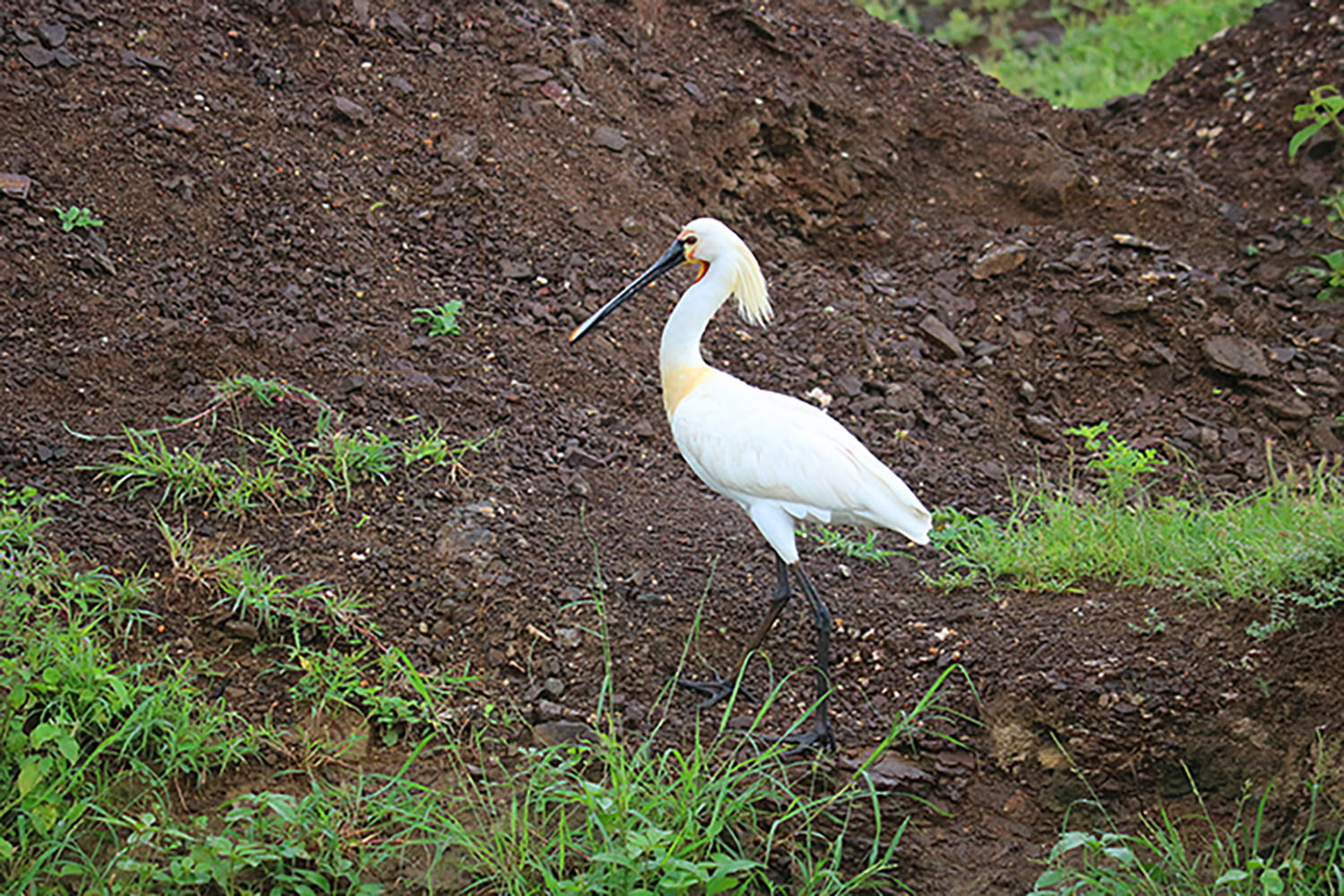

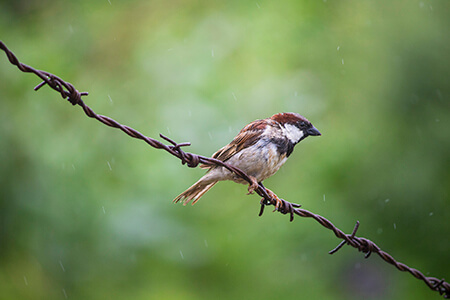
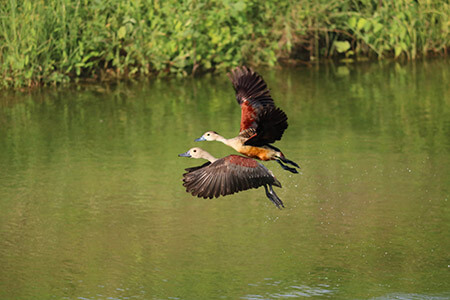

Let’s learn as well as teach others about the birds of Indian subcontinent. Every visitor here can view and learn different facets of birding such as color, size, food, habitat, behavior, English and local names, as well as the experts can share their knowledge and teach other views too.
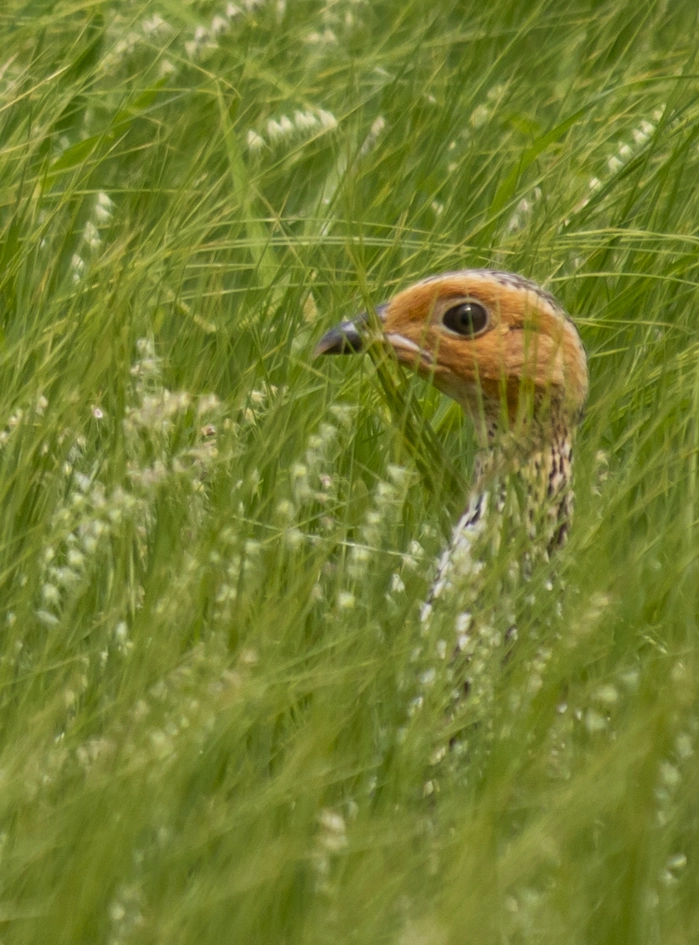

Size:
65-72 cm
26-28 Inch
Primary color:
white
Secondary color:
gray
(Bird may have more colors)
assamese: পানী বগলী
french: Héron intermédiaire
malayalam: ചെറുമുണ്ടി
marathi: मध्यम बगळा
tamil: வெண் கொக்கு
IDENTITY:
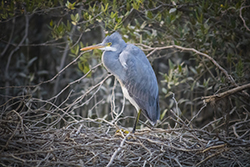
Smaller than Great, wirth shorter bill and neck. Black gape-line does not extend beyond eye. Bill is black and lores yellow-green during courtship, and has pronounced plumes on breast and mantle. Has blacktipped yellow bill and yellow lores outside breeding season.
HABIT AND HABITAT:
Usually in small flocks which seprate when foraging. Hunts chiefly by slow stalking. Roosts communally. Marshes, flooded grassland, well-vegetaed pools; also shores of lakes and reservoirs, mangroves swamps and tidal creeks.
FOOD:
It eats fish, frogs, crustaceans and insects.
VOICE:
Intermediate Egret is a quiet bird. It utters a kind of buzzy call during displays, and a deep kroa-kr when it takes flight.
INFO:
This species, as its scientific name implies, is intermediate in size between the great egret and smaller white egrets like the little egret and cattle egret, though nearer to little than great. It is all-white plumage, generally dark legs and a thickish yellow bill. Breeding birds may have a reddish or black bill, greenish yellow gape skin, loose filamentous plumes on their breast and back, and dull yellow or pink on their upper legs (regional variations). The sexes are similar. The non-breeding colours are similar, but the intermediate is smaller, with neck length a little less than body length, a slightly domed head, and a shorter, thicker bill. The great egret has a noticeable kink near the middle of its neck, and the top of its longer bill nearly aligns with the flat top of its head. Close up, the bare skin of the great egret's gape line extends in a dagger shape behind the eye, while the Intermediate's is less pointed and ends below the eye. The intermediate tends to stalk upright with neck extended forward. The great is more patient, often adopting a sideways-leaning 'one-eyed' stance. Little egrets have yellow-soled feet and black bills. They often run after fish in shallow water. Breeding birds have long nuptial plumes on the back of their heads. The intermediate egret stalks its prey methodically in shallow coastal or fresh water, including flooded fields. It eats fish, frogs, crustaceans and insects. It often nests in colonies with other herons, usually on platforms of sticks in trees or shrubs. Two to five eggs are laid, the clutch size varying with region.
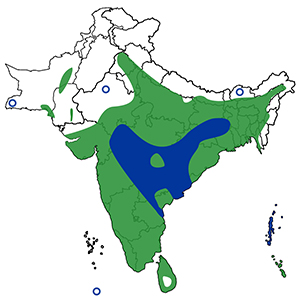
Let’s learn as well as teach others about the birds of Indian subcontinent. Every visitor here can view and learn different facets of birding such as color, size, food, habitat, behavior, English and local names, as well as the experts can share their knowledge and teach other views too.
Size:
65-72 cm
26-28 Inch
Primary color:
white
Secondary color:
gray
(Bird may have more colors)
assamese: পানী বগলী
french: Héron intermédiaire
malayalam: ചെറുമുണ്ടി
marathi: मध्यम बगळा
tamil: வெண் கொக்கு
IDENTITY:
ग्रेट की तुलना में छोटा, छोटी चोंच और गर्दन होती है. ब्लैक गैप-लाइन आंख से आगे नहीं बढ़ती है. प्रेमालाप के दौरान चोंच काली और पीली-हरी होती है.
HABIT AND HABITED:
मार्श, बाढ़ वाले घास के मैदान, अच्छी तरह से वनस्पति वाले पूल; झीलों और जलाशयों के किनारे, मैंग्रोव दलदली और ज्वार की खाड़ियाँ पसंद करता है
FOOD:
यह मछली, मेंढक, क्रस्टेशियन और कीड़े खाता है
VOICE:
यह जानकारी केवल अंग्रेजी में उपलब्ध है
INFO:
यह प्रजाति, जैसा कि इसके वैज्ञानिक नाम का तात्पर्य है, ग्रेट इग्रेट और छोटे सफेद इग्रेट जैसे छोटे इग्रेट और मवेशियों इग्रेट के बीच आकार में मध्यवर्ती है, हालांकि ग्रेट से थोड़ा छोटा है. यह सफ़ेद परो वाला है, आम तौर पर गहरे पैर और पीले रंग की मोटी चोंच होती है. प्रजनन करने वाले पक्षियों में एक लाल या काली चोंच, हरी पीली गैप त्वचा, उनके छाती और पीठ पर ढीले फिलामेंटस प्लम और उनके ऊपरी पैरों (क्षेत्रीय भिन्नता) पर सुस्त पीले या गुलाबी हो सकते हैं. दोनों लिंग समान हैं. गैर-प्रजनन रंग समान हैं, लेकिन मध्यवर्ती छोटा है, गर्दन की लंबाई शरीर की लंबाई से थोड़ी कम है, थोड़ा गुंबददार सिर है, और एक छोटी, मोटी चोंच है। ग्रेट इग्रेट की गर्दन के बीच के पास एक ध्यान देने योग्य किंक है, और इसके लंबे बिल के शीर्ष लगभग इसके सिर के सपाट शीर्ष के साथ संरेखित है. क्लोज़ अप, ग्रेट एग्रेट की गैप लाइन की नंगे त्वचा आंख के पीछे एक खंजर के आकार में फैली हुई है, जबकि इंटरमीडिएट कम होती है और आंख के नीचे समाप्त होती है. इंटरमीडिएट गर्दन आगे बढ़ाया साथ सीधा डंठल जाता है. ग्रेट अधिक धैर्यवान होता है, जो अक्सर बग़ल में झुकाव रखने वाला 'एक-आंख वाला' रुख अपनाता है. लिटिल एर्गेट्स के पीले-पैर और काली चोंच हैं. वे अक्सर उथले पानी में मछली के पीछे चलते हैं. ब्रीडिंग बर्ड्स के सिर के पीछे लंबे प्लम होते हैं. मध्यवर्ती एग्रेट बाढ़ के खेतों सहित उथले तटीय या ताजे पानी में अपने शिकार को व्यवस्थित रूप से डंठलते देखा जाता है. यह मछली, मेंढक, क्रस्टेशियन और कीड़े खाता है. यह अक्सर अन्य बगुलों के साथ उपनिवेशों में घोंसला बनाता है, आमतौर पर पेड़ों या झाड़ियों में लाठी के प्लेटफार्मों पर. दो से पांच अंडे दिए जाते हैं, क्लच का आकार क्षेत्र के साथ बदलता रहता है.