• rufous-backed-wren Rufous-backed Wren

    Rufous-backed Wren

    Campylorhynchus capistratus
    BASIC:
    • Size (cm): 17 - 19 cm
    • Size (inches): 7 - 7 in
    • Primary Color: Brown
    • Secondary Color: White
    • Bird Type: Perching Birds
    • Beak Type: Not specified
    LOCAL NAMES:
    Introduction

    The Rufous-backed Wren, scientifically known as Campylorhynchus capistratus, is a fascinating species of perching bird that captivates ornithologists and bird enthusiasts alike. Belonging to the family Troglodytidae, this medium-sized wren is primarily found across Central America, showcasing the incredible biodiversity of the region. Known for its distinctive plumage and vocal nature, the Rufous-backed Wren plays a vital role in its local ecosystem, often acting as a sentinel within its scrubby habitat. Understanding this bird requires a deep look into its unique behavioral patterns, social structures, and adaptation to various environments. As a member of the genus Campylorhynchus, it shares the characteristic boldness and curiosity common to larger wrens. Whether you are a professional researcher or a casual backyard birdwatcher, learning about the life history of this species offers profound insights into the avian dynamics of neotropical landscapes. This guide provides a comprehensive overview of the Rufous-backed Wren, covering everything from its physical characteristics to its complex breeding strategies.

    Physical Appearance

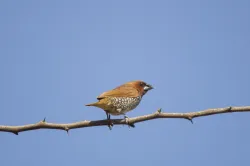
    Measuring approximately 17 to 19 centimeters in length, the Rufous-backed Wren is a robust and visually striking bird. Its most defining characteristic is the rich, rufous-brown coloration that spans its back and wings, providing excellent camouflage within the dry tropical forests and scrublands it frequents. Contrasting sharply with this warm brown tone is the clean, white underbelly, which creates a distinct and appealing aesthetic. The bird features a bold, dark eye-stripe that runs across its face, giving it a somewhat inquisitive and alert expression. Its bill is relatively long, slightly decurved, and perfectly adapted for probing into crevices and foliage to find insects. The wings and tail often exhibit subtle barring, adding texture to its overall plumage. Juveniles generally mirror the appearance of adults but with slightly duller tones. The combination of its size, perching posture, and vibrant color palette makes this wren a relatively straightforward species to identify for those familiar with regional avian markers. Its sturdy frame and agile movements are hallmarks of its adaptation to a life spent foraging in dense vegetation.

    Habitat

    The Rufous-backed Wren is primarily found in the arid to semi-arid regions of Central America, spanning from southern Mexico down through countries like Guatemala, El Salvador, Honduras, Nicaragua, and Costa Rica. It exhibits a strong preference for habitats that offer dense, low-lying vegetation, such as tropical deciduous forests, thorny scrublands, and secondary growth areas. Unlike some wrens that prefer deep, humid rainforests, this species thrives in environments where sunlight can reach the understory. They are frequently observed in agricultural areas, hedges, and suburban gardens, demonstrating a remarkable ability to adapt to human-altered landscapes. Their presence is a strong indicator of healthy, diverse scrub ecosystems that provide ample nesting sites and cover from predators.

    Diet

    As an insectivorous species, the Rufous-backed Wren plays a critical role in controlling insect populations within its habitat. Its diet consists primarily of a wide variety of arthropods, including beetles, caterpillars, spiders, grasshoppers, and small larvae. The wren uses its specialized bill to probe deep into bark, crevices, and clusters of leaves, searching for hidden prey. Occasionally, they may supplement their diet with small fruits or nectar, particularly during periods when insect availability is low. Their foraging behavior is methodical and energetic, often involving rapid movements and short flights between branches. By keeping insect populations in check, the Rufous-backed Wren serves as a natural form of pest control, benefiting the surrounding flora and maintaining the balance of its immediate ecosystem.

    Breeding Nesting

    The breeding season of the Rufous-backed Wren is a testament to its industrious nature. These birds are renowned for constructing large, bulky, globular nests made of twigs, grass, and other fibrous materials. The entrance to the nest is usually a long, tubular tunnel, which provides extra protection for the eggs and chicks against predators and harsh weather conditions. They often build their nests in thorny trees or cacti, utilizing the natural defenses of the plants to secure their homes. Both the male and female participate in the nest-building process, demonstrating high levels of cooperation. A typical clutch size ranges from three to five eggs, which are incubated by the female. Once hatched, both parents remain dedicated to feeding the young, often making frequent trips to ensure the rapid growth and survival of their brood in the competitive neotropical environment.

    Behavior

    Behaviorally, the Rufous-backed Wren is a highly social and vocal bird. They are often found in pairs or small family groups, maintaining their territory through loud, complex songs that echo through the scrub. Their call is a rapid series of chattering notes that can be heard from a significant distance. These wrens are curious and relatively bold, often approaching humans or other animals that enter their territory. They exhibit a distinct perching behavior, frequently seen hopping along branches with their tails cocked upright. Their vigilance is impressive; they are often the first to sound an alarm call if a potential threat, such as a snake or hawk, is detected in the vicinity.

    Conservation Status

    Currently, the Rufous-backed Wren is classified as a species of Least Concern by the IUCN. Its populations are considered stable, largely due to its adaptability to various environments, including human-modified landscapes. However, like many neotropical birds, they face ongoing threats from habitat loss and fragmentation caused by deforestation and agricultural expansion. Protecting the integrity of its native scrubland and dry forest habitats is essential for ensuring the long-term survival of this species. Continued monitoring of their population trends is recommended, as shifts in climate and land use could impact their availability of nesting sites and food sources in the future.

    Interesting Facts

    1. The Rufous-backed Wren is known for its highly complex and melodic vocalizations.
    2. They often build 'dummy' nests to confuse potential predators and protect their actual brood.
    3. Their scientific name, Campylorhynchus, is derived from Greek words meaning 'curved bill.'
    4. These birds are known to be quite territorial and will aggressively defend their nesting sites.
    5. They are highly adaptable and thrive in both wild scrublands and human-inhabited gardens.
    6. Their nests feature a unique tunnel entrance that serves as a specialized defense mechanism.

    Tips Birdwatchers

    For birdwatchers hoping to spot the Rufous-backed Wren, timing and patience are key. The best time to observe them is during the early morning hours when they are most active and vocal. Focus your search in areas with dense, low-lying scrub or dry forest edges. Listen for their distinct, chattering calls, which often give away their location before you see them. Because they are curious birds, standing still and remaining quiet can often encourage them to come closer for a better look. Bringing a high-quality pair of binoculars is essential for identifying their subtle markings and distinguishing them from other wren species. Always respect their territory and keep a reasonable distance to avoid disrupting their nesting or foraging activities, especially during the breeding season.

    Conclusion

    The Rufous-backed Wren is more than just a colorful inhabitant of the Central American landscape; it is a vital contributor to the ecological health of its environment. Through its insectivorous diet and vigilant social behavior, it maintains balance within the scrub ecosystems it calls home. Its nesting habits, characterized by complex, tunnel-entranced structures, highlight the evolutionary ingenuity of the Troglodytidae family. While currently secure, the species remains a poignant reminder of the importance of preserving the diverse habitats that support such unique avian life. Whether you are captivated by their melodic songs, their bold personalities, or their intricate plumage, the Rufous-backed Wren offers endless opportunities for appreciation and study. By fostering an interest in these birds, we contribute to a broader culture of conservation and environmental stewardship. We hope this guide has provided you with a deeper understanding of this remarkable perching bird and inspired you to look closer at the avian wonders residing in your local habitats. Protecting these species ensures that future generations can continue to enjoy the vibrant songs and behaviors of the Rufous-backed Wren for years to come.

    Read more